Everglades (Flamingo) fishing conditions · Florida

Tomorrow, 1 am–1 pmTarpon

The bite peaks at 88. Water is 84°, inside their 74–90° range, and a solunar period lands on the window.

Log a trip here
Right now: 76 for tarpon, worth the tripTap or drag along the water to move through the next 36 hours

Tarpon, hour by hour

Each float is an hour. The deeper it rides, the better the bite. The strip underneath runs daylight, dusk and dark; the red rule marks the best window. Click any hour to read it.

  1. 764 pm
  2. 80
  3. 76
  4. 767 pm
  5. 76
  6. 76
  7. 7610 pm
  8. 80
  9. 80Sun
  10. 841 am
  11. 84
  12. 84
  13. 844 am
  14. 84
  15. 88
  16. 847 am
  17. 84
  18. 84
  19. 8410 am
  20. 88
  21. 88
  22. 761 pm
  23. 76
  24. 76
  25. 744 pm
  26. 78
  27. 74
  28. 847 pm
  29. 84
  30. 84
  31. 8410 pm
  32. 88
  33. 88Mon
  34. 881 am
  35. 84
  36. 84
Go, 85+Worth the trip, 70+Marginal, 55+Sit it out

Right now

Water
84°F

Tarpon range 74–90°

Wind
3 mph

From the west

Light
Daylight

Sunset 5:39 pm

Sky
Sunny

5% chance of rain

Air
85°F

NWS hourly forecast

Moon
5% lit

Waning crescent

What’s biting

Each species is scored against its own water-temperature range and tide preference, then wind, weather and warnings. The rules are Florida regulations for these waters.

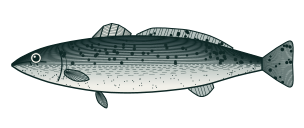
Tarpon

Tarpon

Megalops atlanticus

88GoTomorrow, 1 am–1 pm

Water

84°
64°74–90° · ideal 80°100°

Why

Tarpon prefers incoming tide. Light breeze — ruffles the surface so fish spook less, and casting is easy. Inside tarpon's active range. Holds 3–30 ft down.

Keep

no harvest

Catch and release only today. Catch-and-release only. Tarpon over 40" must stay in the water unless you hold a tarpon tag (one per person a year), bought before fishing, in pursuit of a Florida state or world record.

Verified Oct 23, 2026 · Florida

Last checked 15 days ago. Rules may have changed.

Season here: Apr–Sep. More on tarpon
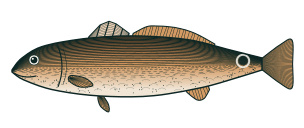
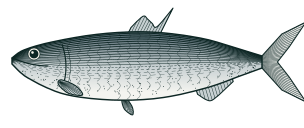
Red Drum

Red drum

Sciaenops ocellatus

88GoTomorrow, 1 am–1 pm

Water

84°
55°65–85° · ideal 75°95°

Why

Red drum prefers incoming tide. Light breeze — ruffles the surface so fish spook less, and casting is easy. Inside red drum's active range. Holds 3–20 ft down.

Keep

18" minimum · 27" maximum · 1 a day

Open. Keep fish within the limits. 18–27" slot, 1 per person a day; vessel limit 4 in the Panhandle and Big Bend regions and 2 from Tampa Bay south. Harvest is prohibited in federal waters.

Verified Oct 23, 2026 · Florida

Last checked 15 days ago. Rules may have changed.

Season here: Year-round, from this spot’s water-temperature record, 2023–2025. More on red drum

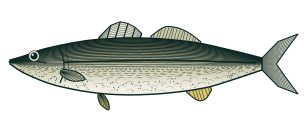
Spotted Seatrout

Spotted seatrout

Cynoscion nebulosus

88GoTomorrow, 1 am–1 pm

Water

84°
50°60–85° · ideal 72°95°

Why

Spotted seatrout prefers incoming tide. Light breeze — ruffles the surface so fish spook less, and casting is easy. Inside spotted seatrout's active range. Holds 3–15 ft down.

Keep

15" minimum · 19" maximum · 3 a day

Open. Keep fish within the limits. Tampa Bay south through Everglades National Park: 15–19" slot; one fish over 19" per vessel, or per person from shore, counts in the bag. 3 per person a day, open year-round.

Verified Oct 23, 2026 · Florida

Last checked 15 days ago. Rules may have changed.

Season here: Year-round, from this spot’s water-temperature record, 2023–2025. More on spotted seatrout

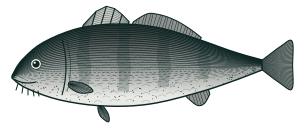
Black Drum

Black drum

Pogonias cromis

88GoTomorrow, 1 am–1 pm

Water

84°
45°55–85° · ideal 72°95°

Why

Black drum prefers incoming tide. Light breeze — ruffles the surface so fish spook less, and casting is easy. Inside black drum's active range. Holds 2–40 ft down.

Keep

14" minimum · 24" maximum · 5 a day

Open. Keep fish within the limits. Florida: 14–24" slot, 5 per harvester a day; one fish over 24" may count in the bag.

Verified Oct 23, 2026 · Florida

Last checked 15 days ago. Rules may have changed.

Season here: Sep–May. More on black drum

Common Snook

Common snook

Centropomus undecimalis

68MarginalTomorrow, 1 am–1 pm

Water

84°
58°68–88° · ideal 78°98°

Why

Light breeze — ruffles the surface so fish spook less, and casting is easy. Inside common snook's active range. Common snook prefers outgoing tide. Holds 2–20 ft down.

Keep

28" minimum · 33" maximum · 1 a day

Open. Keep fish within the limits. Charlotte Harbor and Southwest regions: 28–33" slot, 1/day, snook permit required. Harvest open Mar 1–Apr 30 and Oct 1–Nov 30; catch-and-release the rest of the year.

Verified Oct 23, 2026 · Charlotte Harbor and Southwest regions

Last checked 15 days ago. Rules may have changed.

Season here: Mar–Nov. More on common snook

The water

  • Water temperature84°F
  • Barometer29.88 inHg

Sun, moon & solunar

  • Sunset today5:39 pm
  • Sunrise tomorrow6:35 am
  • MoonWaning crescent, 5% lit
  • Minor solunarToday 4:10 pm–5:10 pm
  • Major solunarTonight 10:20 pm–12:20 am
  • Minor solunarTomorrow 5:40 am–6:40 am

Solunar tables are a popular heuristic. A peer-reviewed test found they don’t predict catch on their own, so here they only nudge the score when the tide or moon already agree. How the score works

Fishing report

No current report covers these waters.

We only show reports an agency has published, with their date. Florida FWC has the state’s fishing pages.

Licenses and rules: state fishery agencies · fish-consumption advisory

About this spot

Flamingo, at the southern tip of Everglades National Park, the launch point for Florida Bay and the mangrove backcountry. The Park Service names snook, tarpon, redfish and black drum among the fish of the park's bays and rivers and says sea trout are plentiful. Shore fishing is limited: the Flamingo marina and boat ramps are closed to fishing from sunrise to sunset.

Florida rules apply, plus a park limit of 20 finfish a day in aggregate, no more than 10 of one species. A saltwater license is needed south of Nine Mile Pond.

Nearby

The closest public spots we cover, with the same 36 hours of floats.

Bill Baggs Cape Florida State Park60 mi · FloridaBest now until 8 pm
98Go
Haulover Beach Park73 mi · FloridaBest now until 8 pm
98Go
Marco Island Beach75 mi · FloridaBest now until Monday 4 am
100Go
Naples Beach88 mi · FloridaBest now until 8 pm
92Go
Pompano Beach92 mi · FloridaBest now until 8 pmCoastal Flood Statement
73Worth the trip
Deerfield Beach97 mi · FloridaBest now until 8 pmCoastal Flood Statement
73Worth the trip

Questions people ask

Do I need a fishing license to fish at Everglades (Flamingo)?

Yes (anglers age 16 and older). To fish at Everglades (Flamingo) you need the appropriate state fishing license. See the agency's current rules: the state agency website

What fish are commonly targeted at Everglades (Flamingo)?

Everglades (Flamingo) is listed on this site for 5 commonly-targeted species: Common Snook, Tarpon, Red Drum, Spotted Seatrout, and 1 more. Which species is currently in season and which is scoring highest today is shown in the per-species ranking on this page.

When is the best time to fish at Everglades (Flamingo)?

It depends more on the species and the day's conditions than on a fixed "best hour." Water temperature, weather, and — at tidal locations — the stage of the tide drive activity most. The per-species ranking on this page scores every target species at Everglades (Flamingo) against today's live conditions, so the fish near the top are your best bets right now; check back as conditions change through the day.

What kind of access does Everglades (Flamingo) have?

Everglades (Flamingo) has multiple access types — pier, shoreline, and at least one public boat ramp. Florida rules apply, plus a park limit of 20 finfish a day in aggregate, no more than 10 of one species. A saltwater license is needed south of Nine Mile Pond.

Which state's fishing regulations apply at Everglades (Flamingo)?

state agency regulations apply at Everglades (Flamingo). Size limits, creel limits, and seasonal closures are listed per species on each species page. Always confirm against the agency source linked from each regulation block — emergency closures can take effect mid-season.

Is Everglades (Flamingo) tidal water?

Yes. Everglades (Flamingo) sits on tidal water with a NOAA tide station nearby. Today's high/low timing is in the tide chart on this page.